How Weather Conditions Affect Asphalt Paving and Blacktopping
People seeking asphalt paving and blacktopping often need help from local contractors who can manage weather-related challenges to ensure durable, smooth surfaces.
Understanding how weather conditions affect asphalt paving and blacktopping is essential for property owners planning to improve or maintain their surfaces. Temperature fluctuations, precipitation, and humidity can all influence how asphalt is laid and how well it performs over time. For those in the area considering new paving projects or repairs, knowing how seasonal and daily weather patterns impact the process can help ensure a durable, long-lasting finish. Local contractors who specialize in asphalt and blacktopping are familiar with these weather-related challenges and can recommend timing and techniques that work best for the conditions.
Property owners may explore this topic to better prepare for upcoming paving work or to make informed decisions about repairs and maintenance. Whether dealing with recent weather extremes or planning for future projects, understanding the effects of weather on asphalt and blacktopping can lead to better results. Service providers in the area are equipped to handle the unique demands posed by local weather, ensuring that each project is carried out with these factors in mind. Keep reading to learn practical insights on how weather influences asphalt work and how local experts can help achieve the best possible outcome.
- Asphalt paving - homeowners may need asphalt paving services when seasonal temperature fluctuations cause cracking, and local contractors use specific techniques to accommodate weather variations.
- Blacktopping - property owners might seek blacktopping when rain or moisture affects surface adhesion, with local service providers adjusting timing and materials accordingly.
- Asphalt paving - during extreme heat, local pros focus on proper compaction to prevent future rutting and surface deformation caused by weather conditions.
- Blacktopping - in cold weather, local contractors may postpone blacktopping projects to ensure proper curing and avoid surface damage from freezing temperatures.
- Asphalt paving - fluctuating humidity levels can impact asphalt work, prompting local pros to modify application techniques to achieve durable results despite weather challenges.
When people search for how weather conditions affect asphalt paving and blacktopping, they are typically trying to understand how different climate factors can influence the quality and durability of their driveway, parking lot, or other paved surfaces. Homeowners and property managers often want to know whether certain weather patterns might cause problems during installation or lead to quicker deterioration over time. This information helps them plan projects more effectively, choosing the right timing and ensuring proper preparation. Understanding weather impacts can also clarify why some paving jobs might need additional care or adjustments, especially in areas with unpredictable or extreme weather.
Many of these inquiries relate to common problems such as cracking, rutting, or uneven surfaces that develop prematurely. For example, excessive heat can cause asphalt to soften and become more susceptible to deformation, while cold temperatures can lead to cracking or poor compaction. Rain or moisture during paving can interfere with the bonding process, resulting in weak spots or surface defects. Homeowners may also be considering plans for new driveways, repairs, or resurfacing projects, and understanding how weather affects these efforts can help ensure the work lasts longer. Local contractors who specialize in asphalt paving and blacktopping are familiar with these weather-related challenges and can adjust their methods accordingly to improve results.
The types of properties that often come up in discussions about weather and asphalt work include residential driveways, commercial parking lots, and public access roads. Residential properties are typically smaller, but weather issues can still cause delays or complications in installation or repairs. Commercial properties, which usually have higher traffic volumes, require durable surfaces that can withstand weather-related stress. Public infrastructure such as streets and sidewalks are also affected by weather conditions, making it essential for local service providers to tailor their approaches based on seasonal patterns. Knowing how weather impacts different property types helps property owners understand what to expect and how experienced contractors can help mitigate potential problems.
Ultimately, understanding how weather conditions affect asphalt paving and blacktopping connects directly to real projects by highlighting the importance of timing, preparation, and execution. Local asphalt paving and blacktopping service providers are equipped to handle these weather-related factors, ensuring that surfaces are installed or repaired with consideration for current and forecasted conditions. Proper planning and the expertise of local professionals can help minimize issues caused by weather, leading to longer-lasting, more resilient paved surfaces. For property owners, this knowledge supports smarter decisions about scheduling and working with experienced contractors who know how to adapt to weather challenges.
Parking Lot Resurfacing - local contractors who specialize in parking lot blacktopping understand how weather conditions impact the quality and durability of the surface, ensuring proper planning and execution.
Driveway Paving - driveway paving projects require knowledge of weather effects on asphalt to prevent issues like cracking and uneven settling, with local service providers equipped to handle these challenges.
Road Construction - road construction projects involve extensive planning around weather conditions that influence asphalt laying and compaction, with local pros managing these factors effectively.
Sidewalk and Pathway Installation - installing sidewalks and pathways demands attention to weather patterns that can affect asphalt setting and longevity, which local contractors are experienced in addressing.
Industrial Paving - industrial paving projects often require precise timing and weather considerations to ensure asphalt performance, with local service providers capable of coordinating these aspects.
Sealcoating Services - sealcoating involves applying protective layers that are sensitive to weather conditions, and local pros can advise on optimal timing to maximize durability.
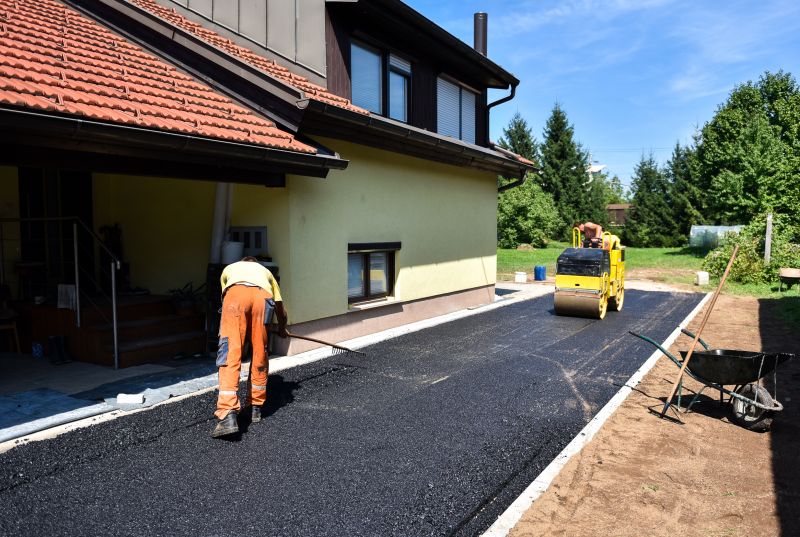
When evaluating asphalt paving and blacktopping service providers, it is essential to consider their experience with similar projects, especially those impacted by varying weather conditions. Contractors with a history of working in your area are more likely to understand how weather affects the paving process, including temperature fluctuations, humidity levels, and precipitation. An experienced local contractor can provide insights into how weather conditions influence the timing, materials, and techniques used to ensure a durable and properly installed surface, helping to prevent issues that may arise from unforeseen weather-related challenges.
Clear and detailed communication about expectations is crucial when comparing service providers. Homeowners should seek contractors who can explain how weather conditions might impact the project, including potential delays or adjustments needed due to temperature or moisture levels. Reputable local pros will be transparent about the limitations weather can impose and will be able to outline how they plan to address these factors throughout the paving process. This clarity helps ensure that homeowners have realistic expectations and understand the steps taken to achieve a quality result despite weather-related obstacles.
Reputable references and good communication are key indicators of a reliable service provider. When reviewing local contractors, it is helpful to ask for references from past clients who had projects affected by weather conditions. These references can reveal how well the contractor managed weather-related challenges and maintained clear communication throughout the work. Good communication also involves timely updates and responsiveness, which are essential for coordinating scheduling and ensuring that weather considerations are properly integrated into the project plan. Choosing a contractor with a proven track record of handling weather-related issues and maintaining open dialogue can lead to a smoother and more successful paving experience.
Property owners often search for how weather conditions affect asphalt paving and blacktopping when they are planning practical projects around their homes and businesses. Local pros provide Asphalt Paving and Blacktopping services for everyday jobs and straightforward project options.
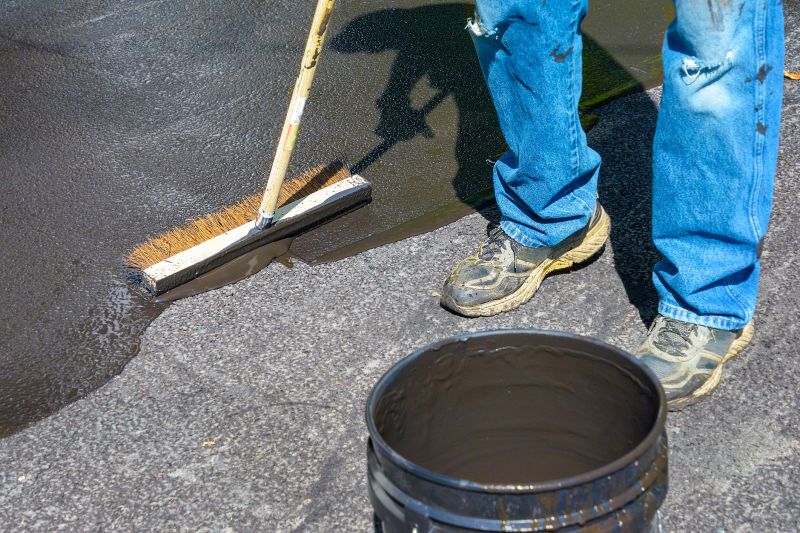
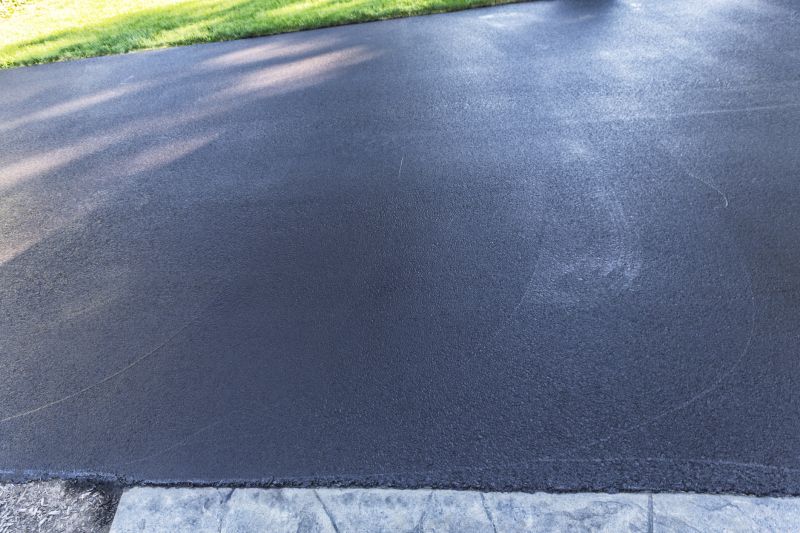
Weather conditions play a significant role in the success of asphalt paving and blacktopping projects. For property owners planning to improve driveways, parking lots, or pathways, understanding how factors like temperature and moisture affect the process is essential. Extreme heat can cause asphalt to become too soft, leading to uneven surfaces or ruts, while cold weather can hinder proper compaction and bonding, resulting in a less durable finish. Additionally, excessive rain or moisture can delay paving schedules and compromise the integrity of the asphalt, making it more prone to cracking or shifting over time.
Because weather impacts the quality and longevity of asphalt surfaces, property owners often seek the expertise of local contractors who understand these conditions well. These service providers can advise on the best timing for paving projects and adjust techniques to account for fluctuating weather patterns. By working with experienced local pros, property owners can help ensure that their blacktopping projects are completed under suitable conditions, leading to a more resilient and long-lasting surface.
How do temperature fluctuations impact asphalt paving and blacktopping? Temperature swings can cause asphalt to expand and contract, potentially leading to cracks or uneven surfaces. Local contractors can adjust their paving techniques to accommodate these changes and ensure a durable finish.
Can rain or moisture affect asphalt installation? Yes, excessive moisture can interfere with the bonding process and cause surface imperfections. Experienced service providers often schedule paving during dry conditions to achieve the best results.
How does cold weather influence asphalt blacktopping projects? Cold temperatures can slow the curing process and make asphalt more brittle, increasing the risk of cracks. Local pros may delay or modify their work to account for colder conditions for optimal longevity.
What weather conditions should be avoided during asphalt paving? Paving should generally be avoided during rain, snow, or extreme heat, as these conditions can compromise the quality of the surface. Local contractors can advise on the best times to schedule the work based on current weather.
How do weather conditions affect the timing of asphalt and blacktopping projects? Unfavorable weather like rain or freezing temperatures can delay projects or impact their quality. Local service providers monitor weather forecasts to plan paving when conditions are suitable for a lasting finish.
Timing for paving projects - scheduling asphalt and blacktopping work during optimal weather conditions can prevent delays and ensure quality results with help from local contractors.
Preparing for temperature fluctuations - understanding how temperature impacts asphalt work allows property owners to plan for proper surface curing with assistance from local pros.
Managing moisture and rain - avoiding paving during wet weather helps prevent issues like uneven surfaces, and local service providers can advise on ideal conditions.
Dealing with extreme heat or cold - recognizing how temperature extremes affect asphalt and blacktopping can guide property owners in choosing the right time for installation with help from local contractors.
If you are thinking about how weather conditions affect asphalt paving and blacktopping for a property, this guide is meant to help you understand this topic, the typical project types, and how different options might fit your plans.
When you are ready, you can use the quote form on this page to share a few details about your project. From there, local pros can review the basics and follow up with options that match what you have in mind.